Verace V Series
A family of hybrid attention, mixture-of-experts language models, from a reference baseline of a published architecture to the lab's own variants.
- Verace V0 Baseline: Implements the architecture in the Kimi Team's report
- Components kept from report: Each version keeps some of the report's parts
- Verace V12: Described on its own page
- Later versions V1 to V12: Each replaces main parts of its predecessor
Overview
Verace V Series is the lab's language model line. It has fifteen members, each with its own page: the Verace V0 Baseline, the versions Verace V1 to Verace V12, and Verace Preflight and Verace Workbench. The series began with the V0 baseline, the lab's own code for the architecture described in a technical report by the Kimi Team (arXiv:2607.24653). Later versions descend from the baseline through one another. Each replaces main parts of its predecessor with designs of the lab's own and keeps some components of the report.
The technical reference specifies the V0 baseline by the report's Table 1. The backbone has 93 layers: 69 use Kimi Delta Attention and 24 use Gated NoPE Multi-Head Latent Attention, a 3:1 hybrid ratio, with hidden dimension 7,168. Block Attention Residuals connect 8 blocks of 12 layers. Stable LatentMoE provides 896 routed experts, 16 active per token, and 2 shared experts. The experts use the SiTU-GLU activation and Quantile Balancing for load balancing. MoonViT-V2 is the vision encoder and Per-Head Muon is the optimizer. All of these components come from the report.
The baseline code is split into modules that each map to equations of the report. They cover the activation, the two attention types, the residuals, the experts, the vision encoder, multi-token prediction, the backbone, the optimizer, the XTML chat template, the dataloaders, MXFP quantization and the training loops. The configuration follows the report's totals of 2.78 trillion parameters, with 104.2 billion activated per token. A small standalone demonstration related to Verace V1 evolves a continuous state by norm-preserving Cayley rotations with energy-based halting. It compares that state with a discrete bit-flip tape and reports norm drift and timing.
The V0 baseline exists as code that follows the report's specification. The 2.78 trillion parameter size, the 1,000,000 token context curriculum and the post-training pipeline are the report's design as configured in code, not models the lab has trained. The standalone demonstration related to Verace V1 is implemented and runs as a comparison. No member of the series records a trained model or a benchmark score, but the rotation memory experiments of Verace V1 record speed, size and tokenizer figures. The designs and results of V1 to V12, Preflight and Workbench are described on their own pages.
Simulator
A made-up line of thirteen versions of twelve parts. Each version replaces a few parts of the one before it and keeps the rest. Move along the line and change how much each version replaces.
- versions, the baseline first
- grey: a part of the baseline · colour: a part introduced later, brighter the newer
- Baseline still in version 6
- 33%
- Parts replaced since the baseline
- 8 of 12
- Its oldest part is
- 6 versions old
- Less than half baseline from
- Version 4
Move along the line of versions, then replace more parts at each step and see how soon the baseline is gone.
This simulator is an illustration of the principle, with made-up numbers. It does not run the lab's code or show the lab's data, and nothing in it is a measurement.
In this series
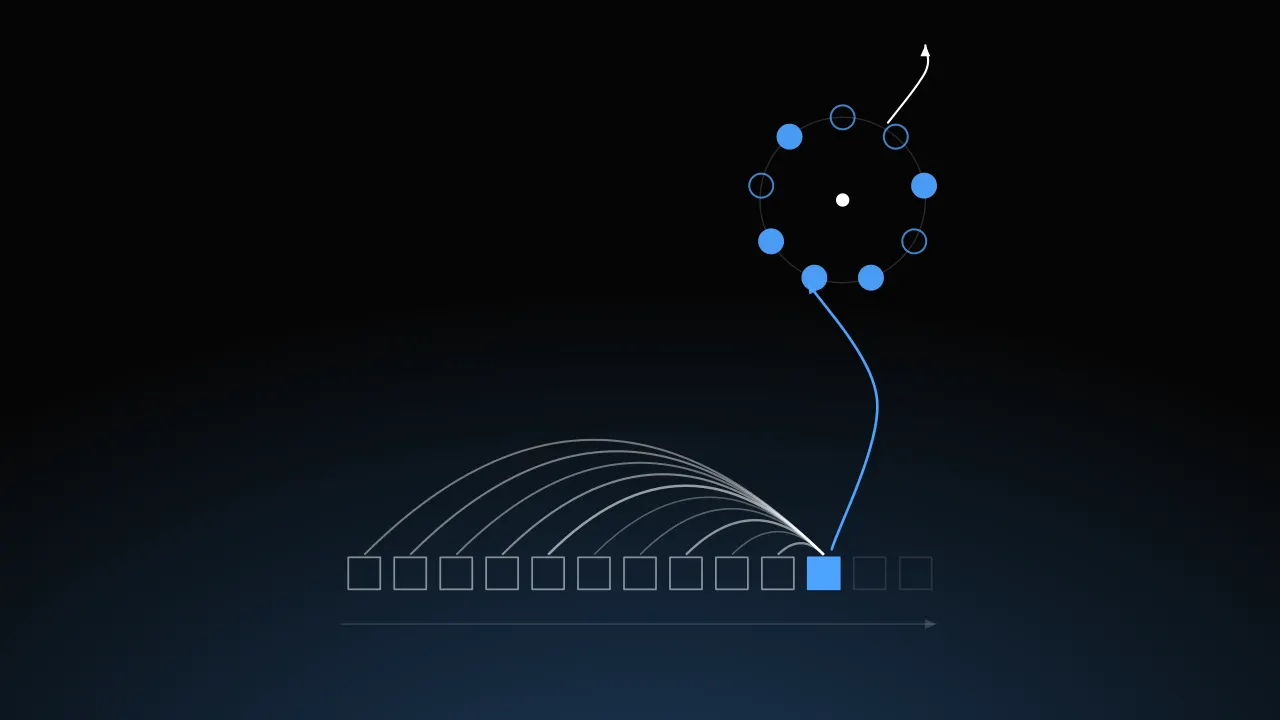
Verace V0 Baseline
The lab's PyTorch implementation of the Kimi Team's hybrid linear-attention mixture-of-experts language model, from pretraining to serving
Attention and sequence models · Training and optimisation · Algorithms and systems
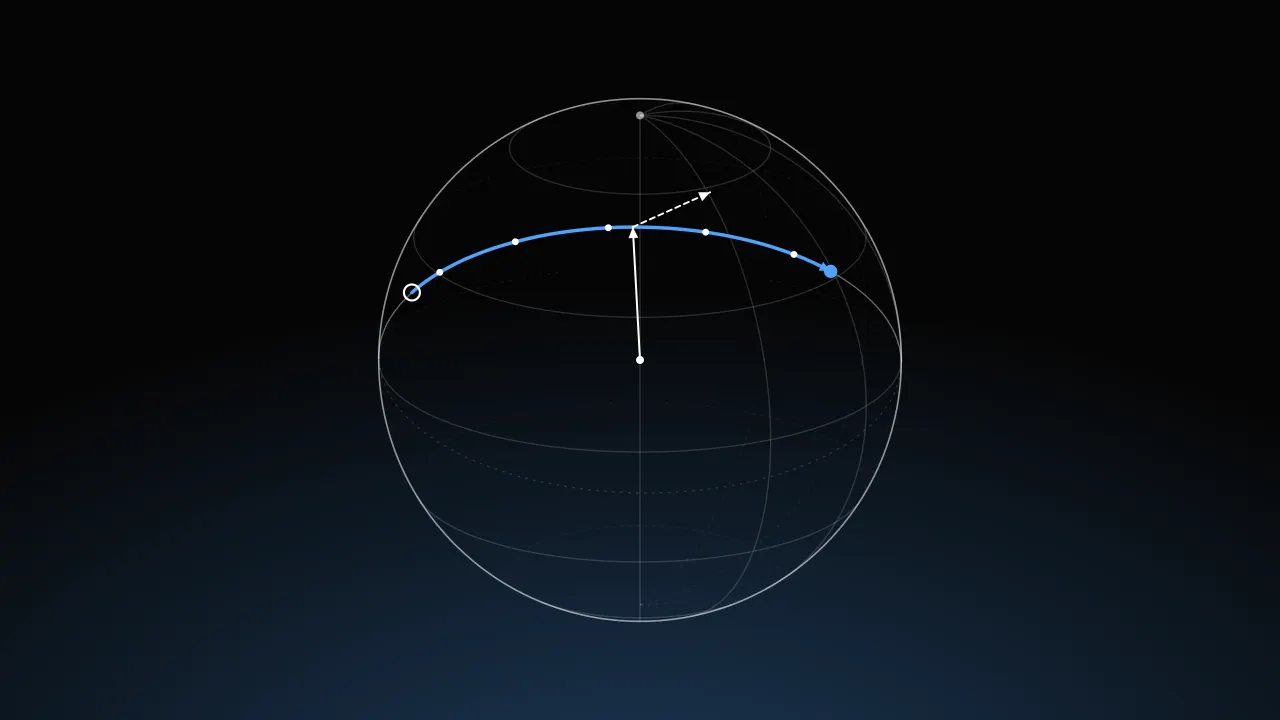
Verace V1
A multimodal language model architecture with norm-preserving recurrent attention, unitary holographic memory and adaptive per-token depth
Attention and sequence models · Memory systems · Training and optimisation
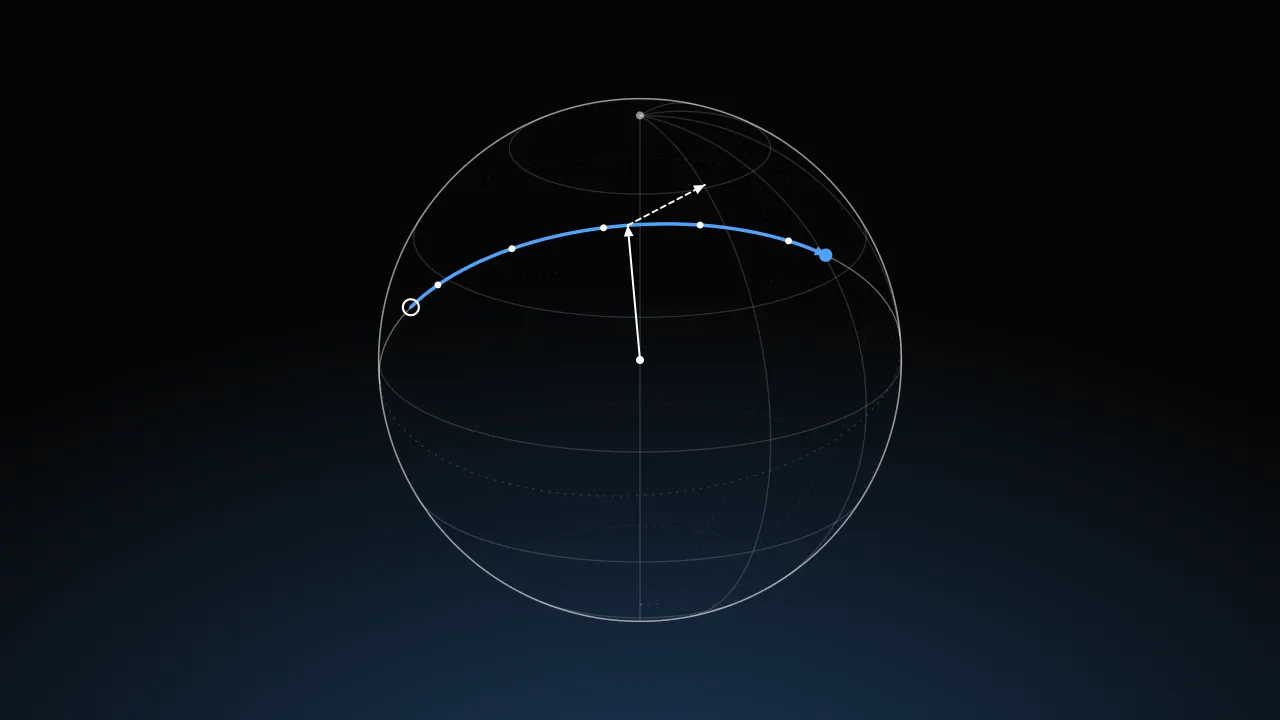
Verace V2
A language model architecture built on Poincaré-ball attention, a causal field operator, fuzzy-logic program routing and continuous flow generation
Attention and sequence models · Mathematical foundations · Training and optimisation
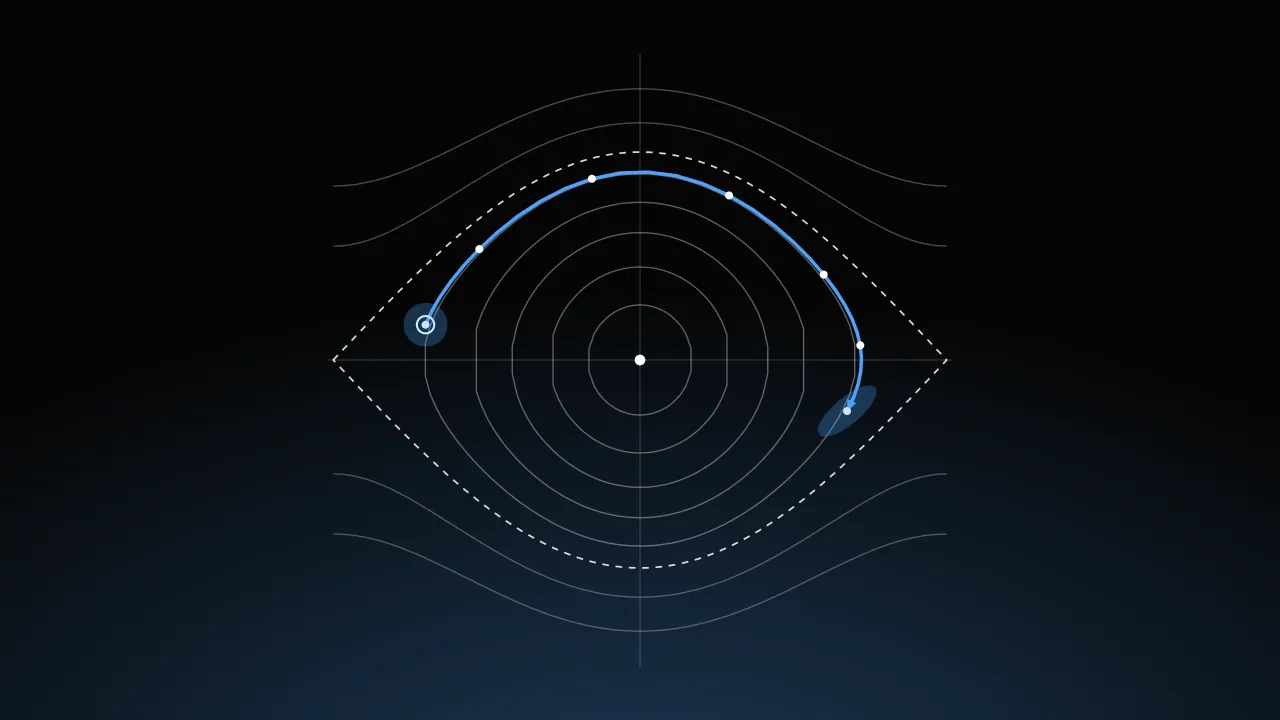
Verace V3
A causal language model built on Minkowski light-cone attention, delta-rule fast weights and symplectic phase-space flow, with a vision encoder
Attention and sequence models · Memory systems · Training and optimisation
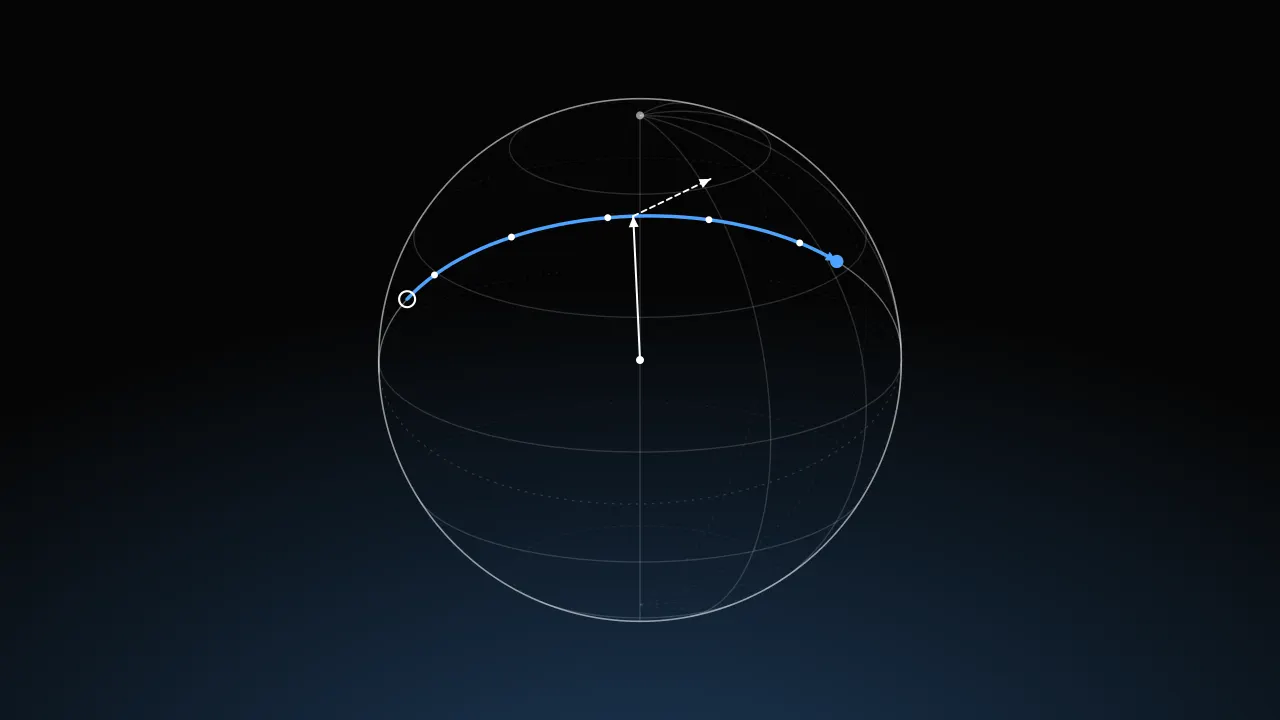
Verace V4
A language model with Cayley parallel-transport attention, Gaussian kernel attention, commutator logic and an orthogonal optimizer
Attention and sequence models · Training and optimisation · Mathematical foundations
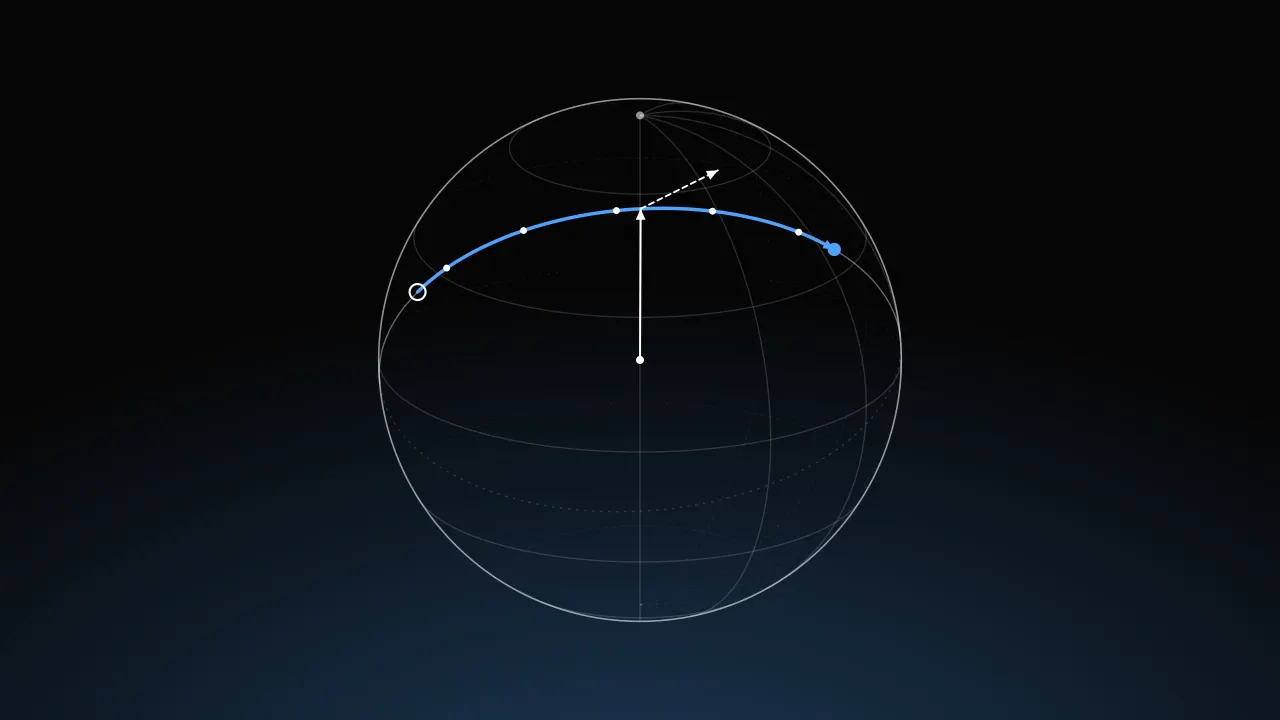
Verace V5
A multimodal language model architecture built from non-Abelian gauge attention, a p-adic ultrametric kernel and a Calabi-Yau projector
Attention and sequence models · Mathematical foundations · Training and optimisation
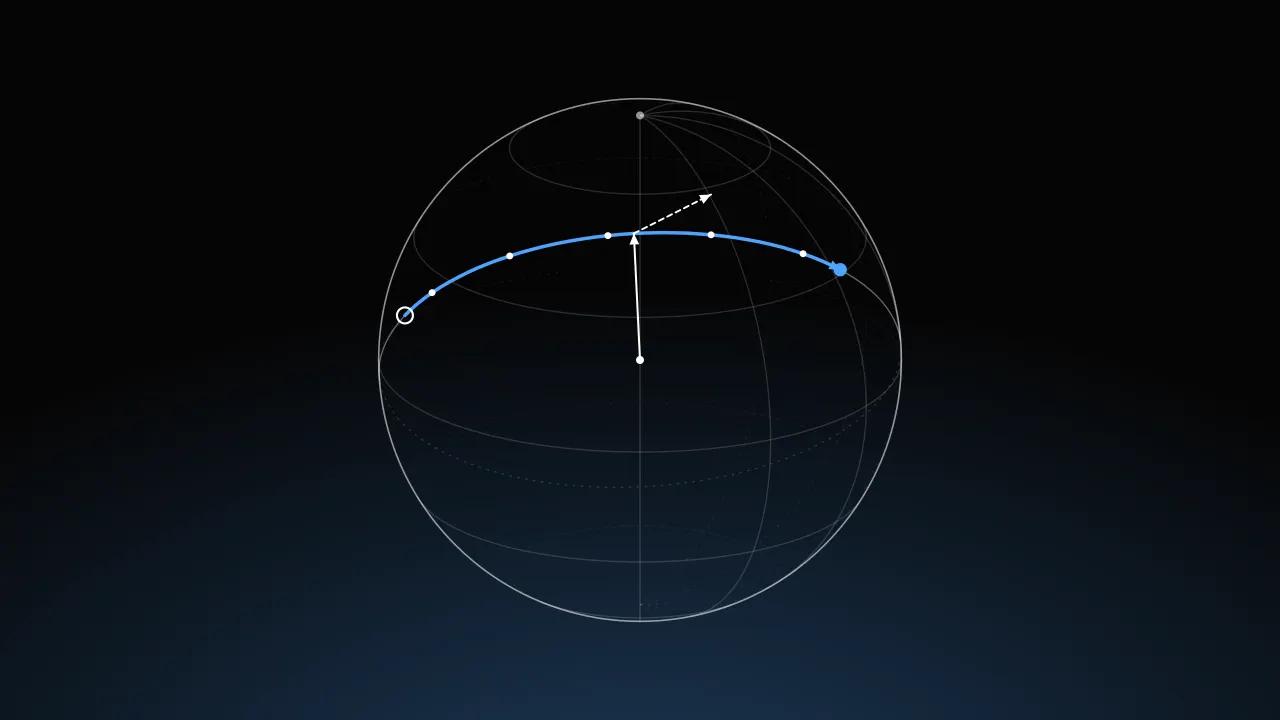
Verace V6
A causal multimodal language model built from non-Abelian gauge attention, a static 2-adic positional mixer and a Hodge-basis spectral projector
Attention and sequence models · Mathematical foundations · Training and optimisation
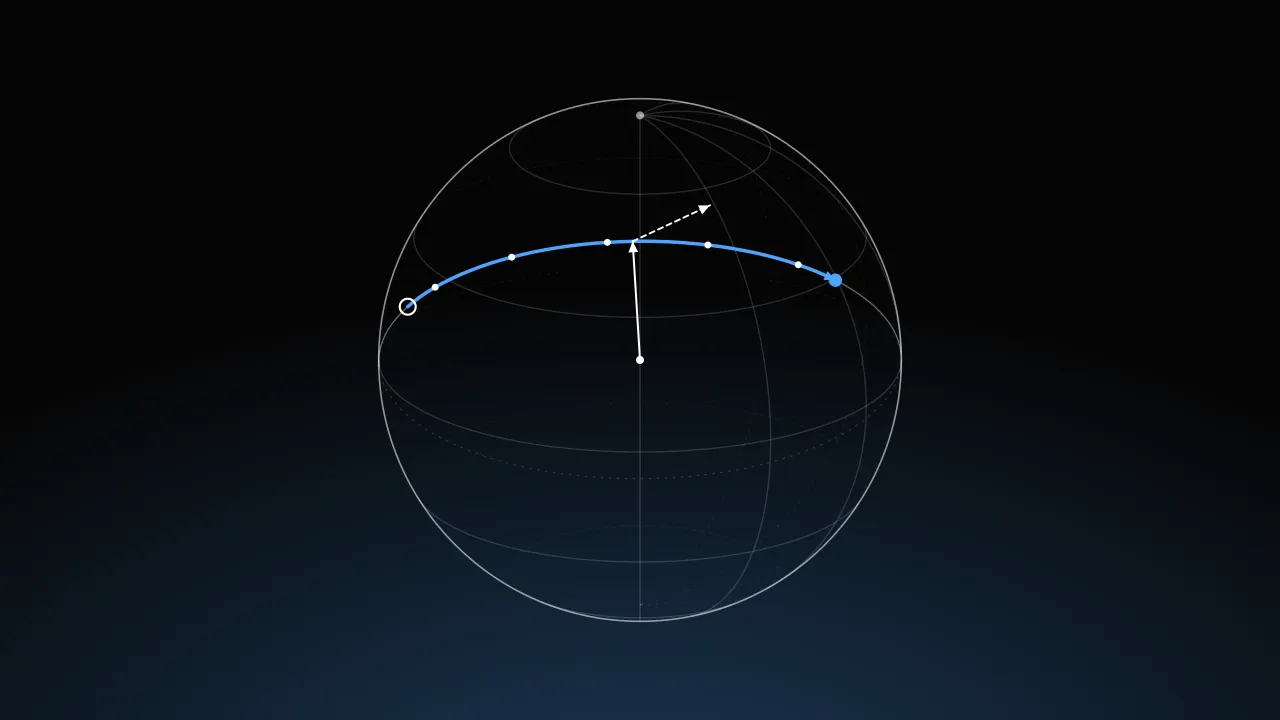
Verace V7
A multimodal language model whose layers combine gauge-transported attention, a p-adic ultrametric token mixer and a Hodge-basis bottleneck
Attention and sequence models · Mathematical foundations · Training and optimisation
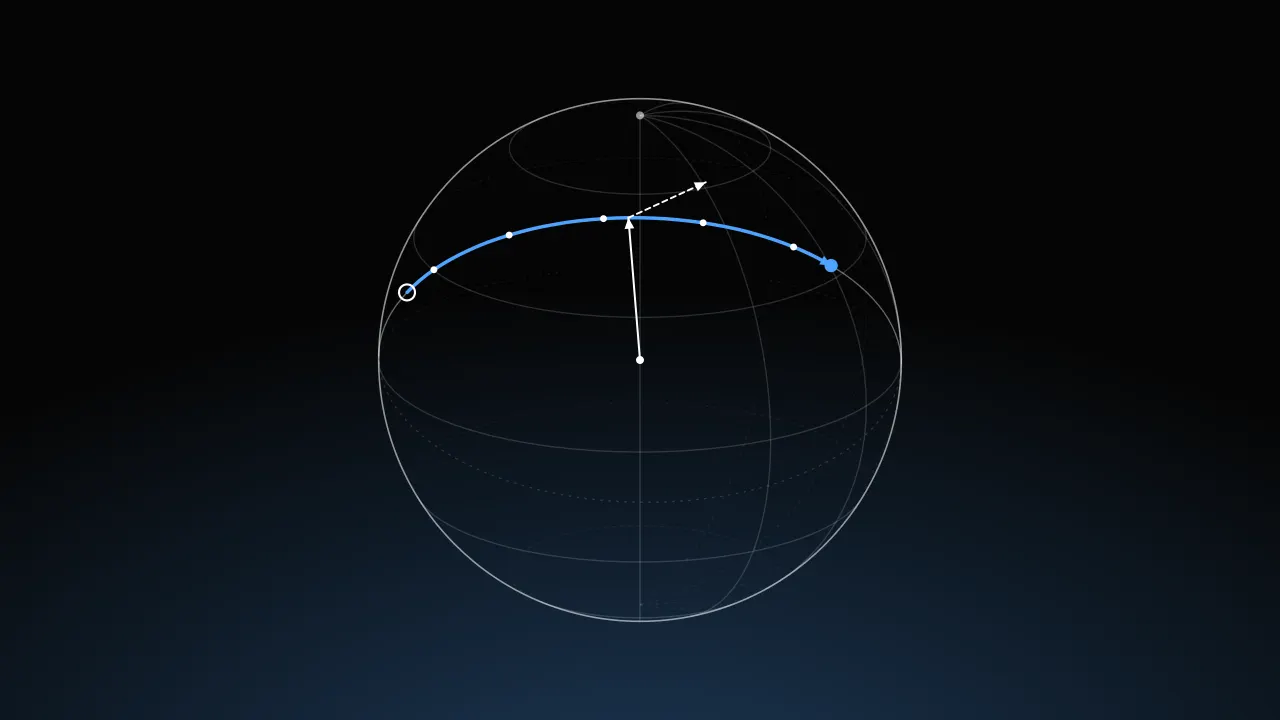
Verace V8
A multimodal language model variant built on gauge holonomy attention, a p-adic ultrametric operator and an orthogonality-constrained optimizer
Attention and sequence models · Mathematical foundations · Training and optimisation
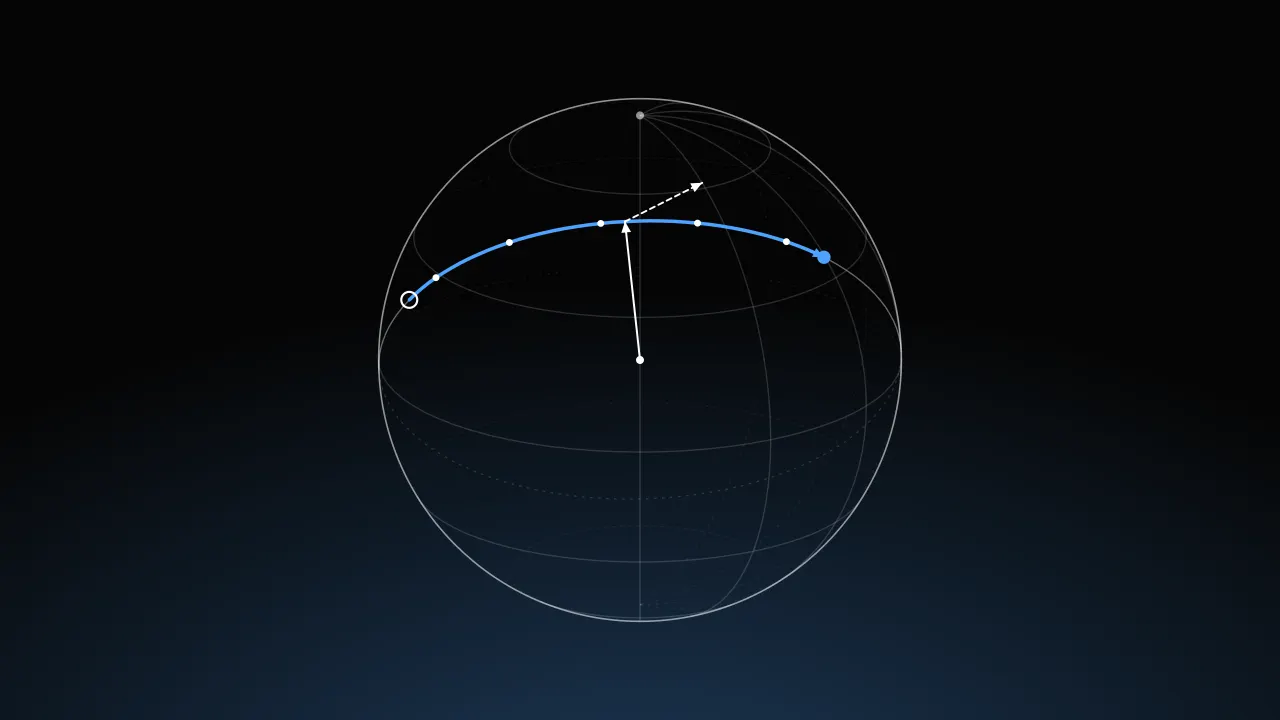
Verace V9
A language model layer built from Riemannian geodesic flow, non-abelian gauge transport, p-adic ultrametric mixing and a Hodge-basis bottleneck
Attention and sequence models · Mathematical foundations · Training and optimisation
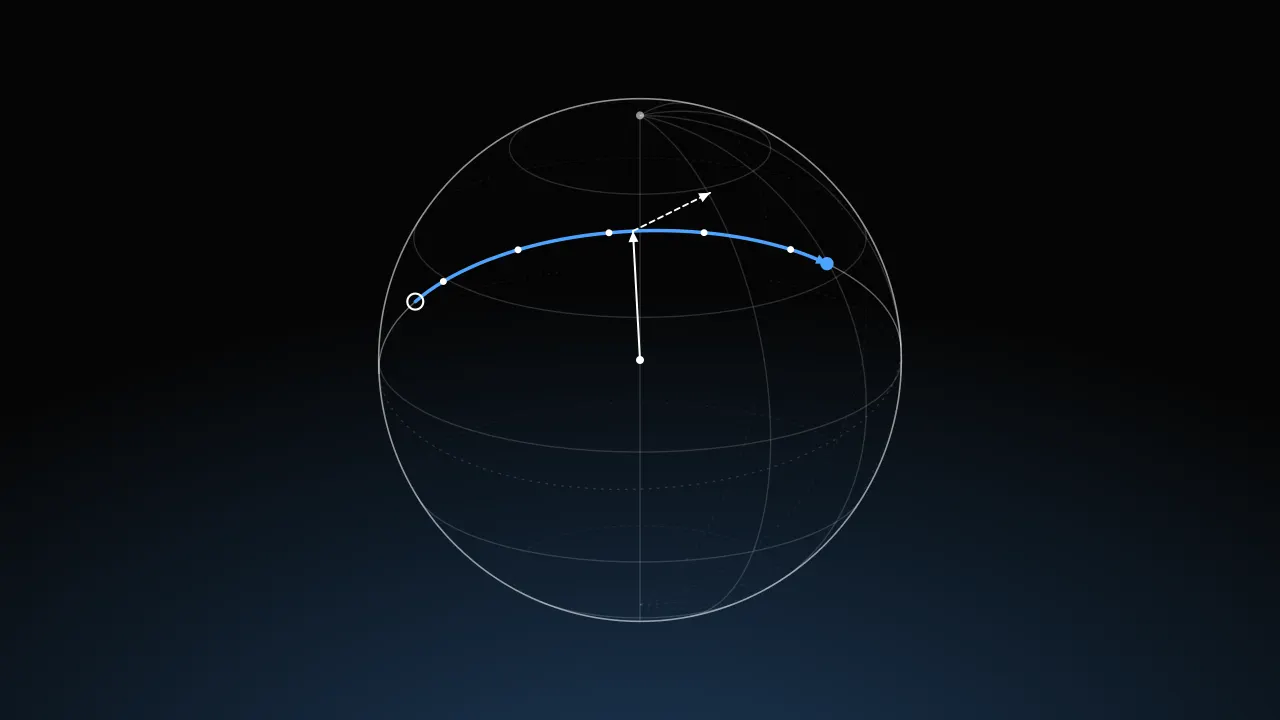
Verace V10
A language model whose layers stack complex phase attention, gauge holonomy transport, p-adic mixing and Riemannian metric corrections
Attention and sequence models · Mathematical foundations · Training and optimisation
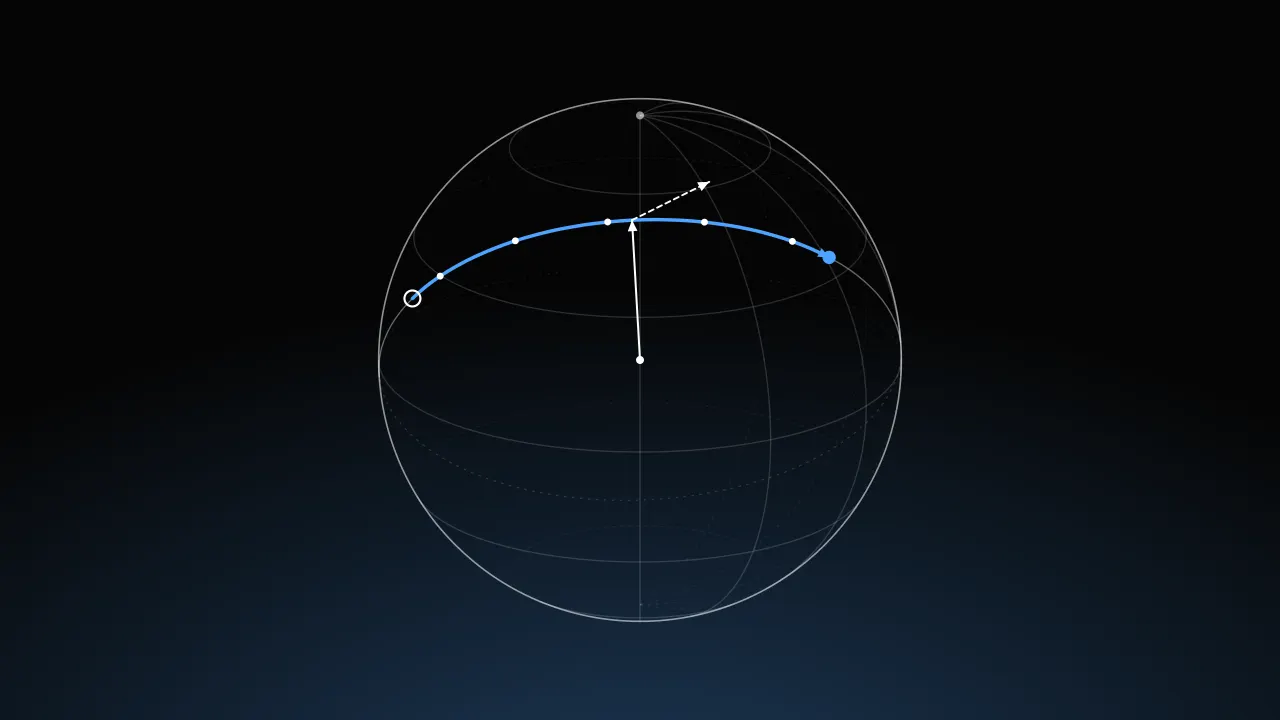
Verace V11
A language model backbone built from quaternionic, octonionic, hyperbolic, stochastic and gauge-theoretic residual operators
Attention and sequence models · Mathematical foundations
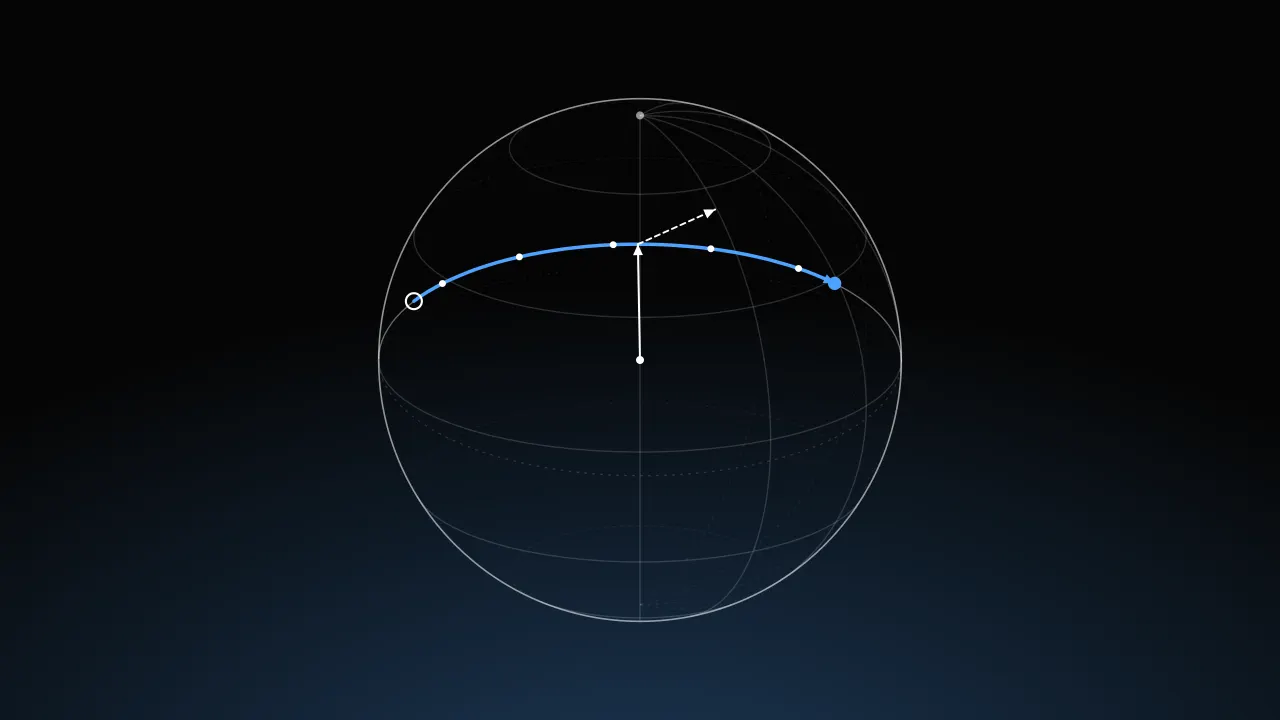
Verace V12
A causal language model whose layers chain sixteen algebraic, geometric, topological and stochastic operators
Attention and sequence models · Mathematical foundations · Training and optimisation
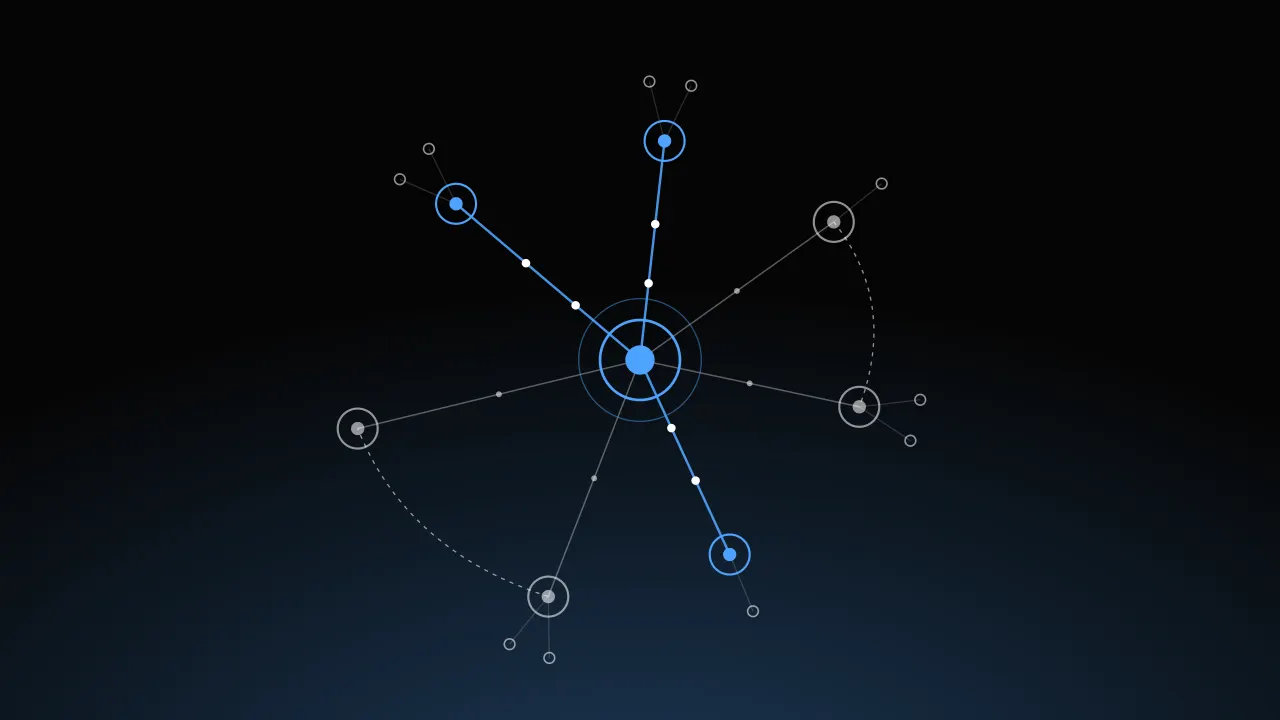
Verace Preflight
A pre-training diagnostic suite that probes neural architectures at initialization for dead gating, depth-wise rank collapse and router instability
Tools and infrastructure · Training and optimisation
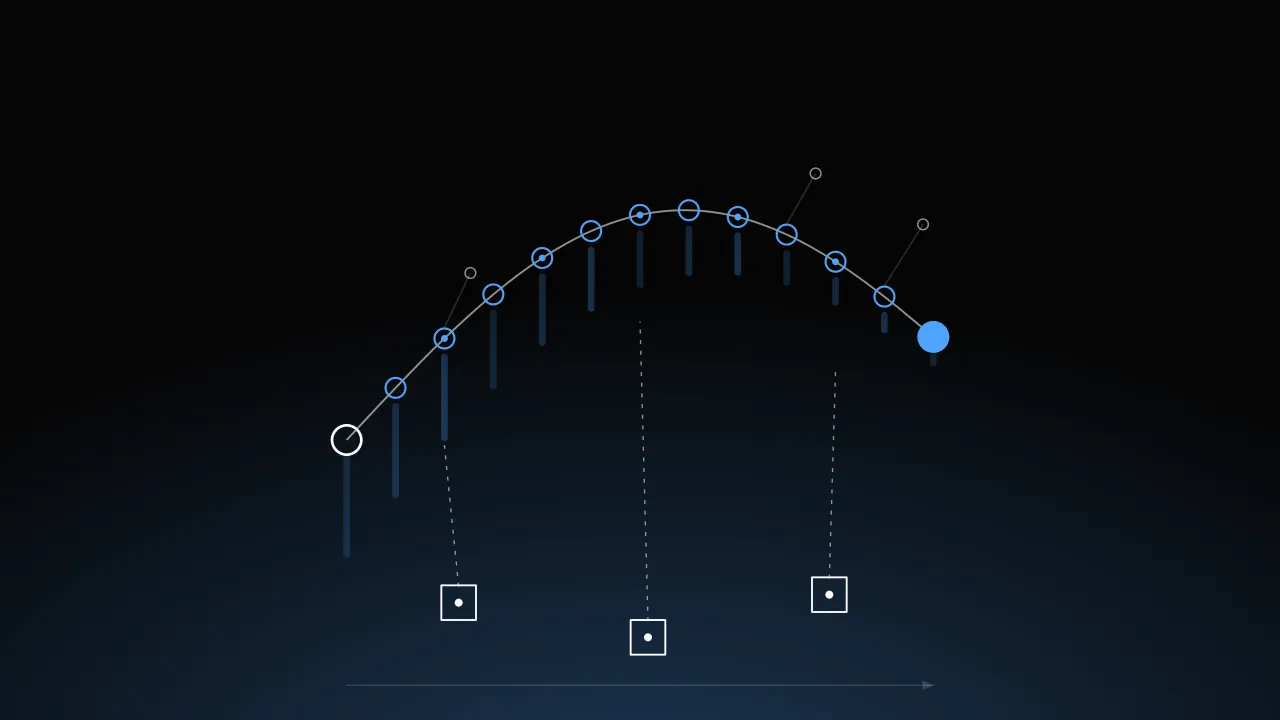
Verace Workbench
Compact reference implementations of hierarchical byte models, speculative decoding, Kolmogorov-Arnold layers and small symbolic reasoning components
Attention and sequence models · Algorithms and systems · Training and optimisation
Architecture
Verace V0 Baseline
The lab's own reference implementation of the architecture in the Kimi Team's technical report (arXiv:2607.24653). It is the starting point from which the later versions descend.
Hybrid attention backbone
A 93-layer stack in the V0 baseline that interleaves 69 Kimi Delta Attention layers with 24 Gated NoPE Multi-Head Latent Attention layers in a 3:1 ratio. Both attention types come from the report.
Block Attention Residuals
The report's depth connections, which the baseline arranges as 8 blocks of 12 layers.
Stable LatentMoE layer
The report's mixture-of-experts layer, with 896 routed experts, 16 active per token and 2 shared experts. Quantile Balancing handles load balancing and SiTU-GLU is the expert activation.
MoonViT-V2 vision encoder
The report's native vision encoder, specified at 401M parameters and 27 layers with 2x2 pixel-shuffle downsampling. A projector feeds its output into the language backbone.
Training and post-training stack
Pre-training with the report's Per-Head Muon optimizer and weight clipping, followed by SFT, domain RL and Multi-Teacher On-Policy Distillation. Quantization-aware training uses MXFP4 weights and MXFP8 activations.
XTML chat template
The report's chat format, implemented as a parser with preserved thinking channels.
Later versions V1 to V12
Successive models of the lab that descend from the baseline through one another, each replacing main parts of its predecessor with the lab's own designs while keeping some of the report's components.
Unitary tape demonstration
A small standalone demonstration related to Verace V1, separate from Verace V1's own prototype. It evolves a continuous state by input-dependent rotations and compares it with a discrete tape machine.
Implementation
Mechanisms as they are implemented in the source code, with the constants the code uses.
- Cayley rotation of the tape state
- A linear map of the state is reshaped into a matrix and made skew-symmetric as . The update is with , then . This conserves .
- Energy-bounded dynamic halting
- Before each inner unroll the demonstration computes an energy . It stops when and the depth is at least 2, and otherwise applies another rotation. The threshold defaults to 0.01 in the script's code and is set to 0.1 in its demo run, and the maximum depth defaults to 128.
- Discrete versus continuous comparison
- A classical bit-flip tape machine,
ClassicalDiscreteTuringMachine, runs beside the continuous rotation-based machine. The comparison reports the norm drift of the continuous state and the timing of both machines.
Concepts
- Kimi Delta Attention
- An attention layer from the Kimi Team's report that uses a lower-bounded log-decay. In the V0 baseline it fills 69 of the 93 layers.
- Gated NoPE latent attention
- The report's Multi-Head Latent Attention with gating and no positional encoding (NoPE). It fills the remaining 24 layers of the baseline.
- Hybrid ratio
- The proportion of delta attention layers to latent attention layers in the backbone, 3:1 in the baseline.
- Block Attention Residuals
- Depth connections from the report that group layers into blocks. The baseline uses 8 blocks of 12 layers.
- Stable LatentMoE
- The report's mixture-of-experts design, in which each token is routed to a small subset of many experts: 16 of 896 in the baseline, plus 2 shared experts.
- Quantile Balancing
- The report's load-balancing method for experts. It updates a histogram directly instead of adding an auxiliary loss.
- SiTU-GLU activation
- A bounded gated activation from the report, with parameters and .
- Per-Head Muon
- The report's variant of the Muon optimizer, which is by other authors. It applies Newton-Schulz orthogonalization to updates partitioned by attention head.
- Context curriculum
- The report's four-stage growth of training context length, from 8K to 64K to 256K and finally 1M tokens.
- Multi-Teacher On-Policy Distillation
- The report's final post-training stage (MOPD), which follows SFT and domain RL.
- MXFP quantization-aware training
- Training with MXFP4 weights and MXFP8 activations, as specified in the report.
- Activated parameters
- The parameters used for a single token in a mixture-of-experts model. The baseline configuration follows the report's 104.2 billion activated out of 2.78 trillion total.
- Cayley transform
- A map that turns a skew-symmetric matrix into an orthogonal one. The unitary tape demonstration related to Verace V1 uses it so that each state update preserves the state's norm.
About this page
Written from the lab's own documents and source code. Figures and results are the lab's measurements as it recorded them at the time, and have not been independently replicated.
The Verace V series is the lab's line of language model architectures. It started from the lab's own code for the architecture described in a technical report by the Kimi Team (arXiv:2607.24653), listed here as the V0 baseline. Later versions replace the baseline's main parts with the lab's own designs and keep some of the report's components, which each page credits to the report.
Published under the PolyForm Noncommercial License 1.0.0: free for noncommercial use.